Personalized Regenerative Aesthetic Care & Dedicated International Patient Concierge


Medical Guide
Advanced Pore and Scar Improvement Treatment
Discover anti-aging skin lifting treatment for face and neck to tighten, smooth, and refresh your look. Learn benefits and book your consultation today.
Schedule a ConsultationUnderstanding Enlarged Pores and Acne Scars

Enlarged pores and acne scars are among the most common skin concerns affecting adults of all ages. While neither condition poses a medical risk, both can significantly impact a person's confidence and quality of life. What makes them particularly frustrating is that they often resist conventional skincare — cleansers, toners, and over-the-counter serums rarely produce meaningful improvement in skin texture at a structural level.
Pores appear enlarged when sebum, dead skin cells, and environmental debris accumulate and stretch the follicle opening. Genetics, skin type, sun damage, and the natural loss of collagen over time all contribute to their visibility. As skin ages and elastin fibers weaken, the walls surrounding each follicle lose their firmness, making pores appear larger and more defined — a process that accelerates through repeated sun exposure and inadequate skin barrier care.
Acne scars, on the other hand, are the result of inflammation that disrupts the skin's deeper layers during breakouts. When a follicle becomes engorged with excess oil, dead skin cells, and bacteria, the resulting pressure can rupture the follicle wall. The body's immune response to repair this damage determines the type of scarring that forms. Depending on whether tissue was lost or overproduced during healing, scars may appear as shallow depressions (atrophic), raised thickened areas (hypertrophic), or uneven pigmented patches.
Atrophic scars — the most prevalent type following acne — are further categorized as ice-pick, boxcar, or rolling scars, each with a distinct structural profile that influences which treatment approach will be most effective. Ice-pick scars are deep and narrow, boxcar scars have defined edges and a flat base, and rolling scars create a wave-like undulation in the skin surface due to fibrous tethering beneath. Understanding these distinctions is clinically important: no single treatment addresses all scar subtypes equally, which is why customized protocols consistently outperform standardized approaches.
Meaningful improvement requires treatments that work at the dermal level — stimulating collagen remodeling, resurfacing the outer skin, or precisely targeting scar tissue itself.
What Is Advanced Pore and Scar Improvement Treatment?
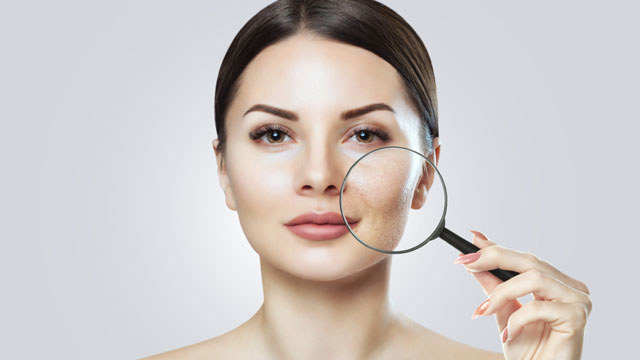
Advanced pore and scar improvement treatment refers to a category of evidence-based dermatological procedures designed to address skin texture irregularities at their source. Rather than relying on a single modality, modern approaches typically combine technologies to treat multiple layers of the skin simultaneously and more effectively.
At Vellicell Clinic in Gangnam, Seoul, the pore and scar improvement program is tailored to each patient's skin profile. Common modalities used in such programs include:
Fractional laser resurfacing — Creates controlled micro-injuries across a fraction of the skin surface to stimulate collagen production and resurface uneven texture, while leaving surrounding tissue intact to support faster healing
Radiofrequency (RF) microneedling — Delivers precisely controlled thermal energy deep into the dermis through fine needles, tightening enlarged pores and remodeling scar tissue without significant disruption to the epidermal surface
Chemical peels — Exfoliates the stratum corneum and upper dermal layers to improve superficial pigmentation, uneven tone, and mild textural irregularities; peel depth is calibrated to the patient's skin type and concern
PRP (Platelet-Rich Plasma) therapy — Uses concentrated growth factors derived from the patient's own blood to accelerate tissue repair, support collagen synthesis, and enhance recovery following more intensive procedures
Carbon laser treatment — Targets sebum overproduction and minimizes pore appearance through a photothermal action that cleanses follicles and stimulates mild collagen contraction at the surface level
Each of these modalities operates through a different biological mechanism, and their effectiveness varies by scar type, depth, and patient skin characteristics. The clinical value of a combination approach lies in its ability to address multiple dimensions of the problem — surface texture, dermal volume loss, pigmentation, and sebum regulation — within a single coordinated treatment program.
The selection and sequencing of these treatments depend on the patient's scar type, skin tone, lifestyle, and treatment goals. This personalized approach is central to achieving reliable outcomes while minimizing unnecessary downtime or skin stress.
Who Is a Suitable Candidate?
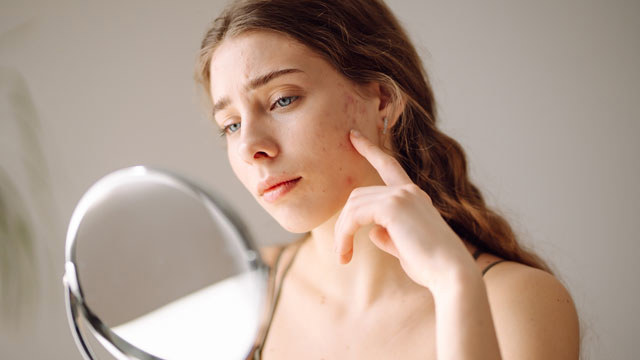
Pore and scar improvement treatment is appropriate for a broad range of patients, but a careful clinical assessment is essential before proceeding.
Suitable candidates generally include individuals who:
Have persistent enlarged pores that have not responded to topical skincare
Experience rolling, boxcar, or ice-pick acne scars
Present with post-inflammatory hyperpigmentation following acne breakouts
Are in good general health with stable, non-active acne
Seek improvement in overall skin texture and tone rather than cosmetic perfection
Have realistic expectations about the pace and degree of improvement
Patients with active acne lesions, certain autoimmune skin conditions, a history of keloid scarring, or those taking photosensitizing medications such as isotretinoin may require a different approach or a delay in treatment. Isotretinoin, in particular, is typically discontinued for a minimum period before laser or RF treatments are considered, as it can impair the skin's healing response. A thorough consultation with the attending physician is the appropriate starting point for any candidate, and transparency about current medications and skin history is essential for safe treatment planning.
International patients traveling to Seoul for skin treatment are also well-suited for structured programs at Vellicell Clinic, provided adequate time is allocated for the initial consultation, at least one treatment session, and a follow-up review before departure.
The Treatment Process: What to Expect
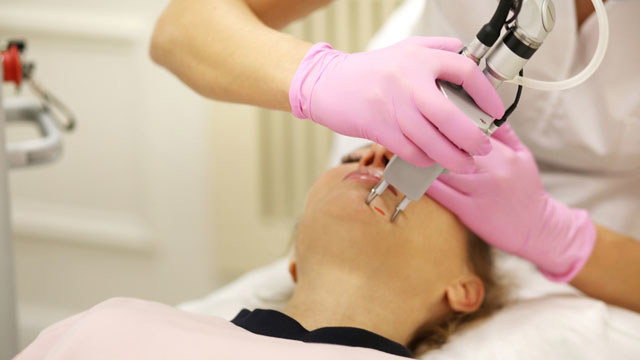
Initial Consultation and Skin Analysis
The process begins with a detailed consultation. The physician reviews the patient's medical history, assesses scar types and pore characteristics under standardized lighting, and discusses the patient's goals and any previous treatments. Skin imaging technology may be used to document baseline condition and guide planning. This baseline documentation also serves as a reference point for evaluating progress across the treatment course.
Customized Treatment Planning
Based on the assessment, a multi-session treatment plan is developed. Most patients require a series of sessions spaced several weeks apart to allow skin recovery and progressive collagen remodeling between treatments. Spacing intervals are clinically important — treating skin before it has adequately recovered from a previous session can impair results and increase the risk of adverse effects. The number of sessions varies by individual — typically between three and six — depending on the severity of the condition and the modalities selected.
The Procedure
On treatment day, the skin is thoroughly cleansed and a topical anesthetic cream is applied to minimize discomfort during the procedure. Application time for the anesthetic is typically 20 to 30 minutes. The selected devices are then used in sequence according to the protocol. Sessions typically last between 30 and 90 minutes depending on the combination of treatments being performed. Patients may notice mild redness and warmth immediately afterward, similar to a mild sunburn sensation, which generally subsides within a day or two.
Post-Treatment Care
The clinical team provides specific aftercare instructions, including guidance on sun protection, appropriate moisturization, and temporary avoidance of active skincare ingredients such as retinoids, exfoliating acids, and alcohol-based products. Physical sun protection — including broad-spectrum SPF and protective clothing — is particularly important in the weeks following treatment, as treated skin is more vulnerable to UV-induced pigmentation changes. Adherence to aftercare protocols significantly influences outcomes and helps preserve the skin improvements achieved through treatment.
Medical Expertise at Vellicell Clinic
Vellicell Clinic is led by Dr. Geon Kim, both of whom bring focused clinical experience in aesthetic dermatology and skin rejuvenation. Their approach prioritizes evidence-based protocols, individualized care, and patient safety over standardized or high-volume treatment models.
Patients are seen and assessed directly by the physicians, who remain involved throughout the treatment course rather than delegating key steps to non-physician staff. This continuity of care allows for protocol adjustments based on how the skin is responding between sessions — an important factor in achieving consistent results across a diverse patient population with varying skin tones, scar severities, and healing profiles. Patients are encouraged to report any unexpected reactions or concerns between appointments, and the clinical team remains accessible for follow-up guidance.
Why Patients Choose Vellicell Clinic
Located at 407 Gangnam-daero, Seocho-gu, Seoul, Vellicell Clinic operates within one of the city's most established medical districts — an area recognized internationally for the concentration of experienced aesthetic medicine practitioners and advanced clinical infrastructure.
The clinic maintains a focused treatment environment, with an emphasis on individualized consultations, transparent communication, and measured expectations. Patients are not presented with a fixed menu of packages; instead, treatment programs are built around each individual's clinical profile and practical considerations such as budget and scheduling.
International patients seeking skin care in Seoul will find that Vellicell Clinic offers consultation services with multilingual support, making the experience accessible for those traveling from abroad. For patients coming from overseas, the clinic's team can assist with structuring a treatment plan that aligns with the available timeframe, and can provide documentation to support continuity of care with a home-country dermatologist following the visit.
Recovery, Safety, and Realistic Outcomes
Most patients tolerate pore and scar improvement treatments well. Mild side effects — redness, slight swelling, or temporary skin sensitivity — are common immediately following sessions and typically resolve within a few days. More intensive protocols, particularly fractional laser resurfacing at higher energy settings, may involve a short period of peeling or skin flaking as part of the resurfacing process. This is an expected part of the healing response rather than a complication.
Serious complications are rare when treatments are performed by qualified physicians using properly calibrated devices and appropriate patient selection. Patients with darker skin tones — Fitzpatrick skin types IV through VI — require particular care in protocol selection to minimize the risk of post-inflammatory pigmentation changes, a known consideration with certain laser wavelengths and energy parameters. Experienced clinicians adjust device settings, treatment intervals, and adjunctive care accordingly to ensure safety across all skin types.
Results develop gradually. Collagen remodeling is a biological process that unfolds over weeks to months, which means the most visible improvements often appear six to twelve weeks after a session — and continue to evolve across a full treatment course. Patients are encouraged to maintain realistic expectations: significant but not necessarily complete improvement is the standard outcome for most scar types, particularly for deeper ice-pick scars, which respond more slowly and may benefit from supplementary techniques such as subcision or punch excision in select cases.
Long-term maintenance also plays a role in sustaining outcomes. Following the completion of an active treatment course, periodic maintenance sessions — combined with a well-structured daily skincare routine and consistent sun protection — help preserve skin quality and slow the recurrence of pore enlargement over time.
More Articles
Continue reading our clinical guides.
Skin Booster Injections: What Patients Should Know Before Treatment
Learn what to know before skin booster injections, including benefits, risks, prep, and aftercare. Book a consultation for smoother, hydrated skin.
Learn More
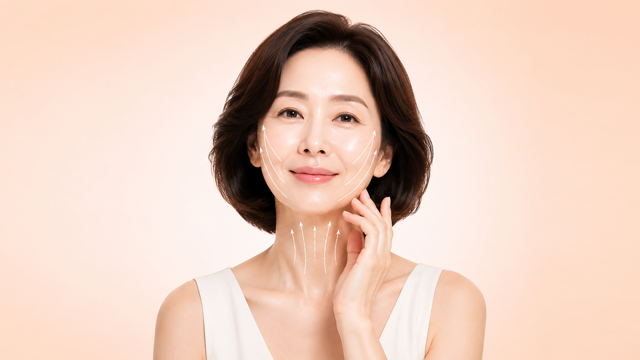
Anti-Aging Skin Lifting Treatment for Face and Neck
Discover anti-aging skin lifting treatment for face and neck to tighten, smooth, and refresh your look. Learn benefits and book your consultation today.
Learn More
Advanced Pore and Scar Improvement Treatment
Discover anti-aging skin lifting treatment for face and neck to tighten, smooth, and refresh your look. Learn benefits and book your consultation today.
Learn More